Skip Navigation

Introduction to Fuel Cells

Fuel cells are a rapidly developing energy conversion technology. Offering higher efficiencies than conventional technologies, they also operate quietly and have a modular construction that is easily scaleable. These features mean that fuel cells are attractive for a range of potential applications, including combined heat and power (CHP), distributed power generation and transport.

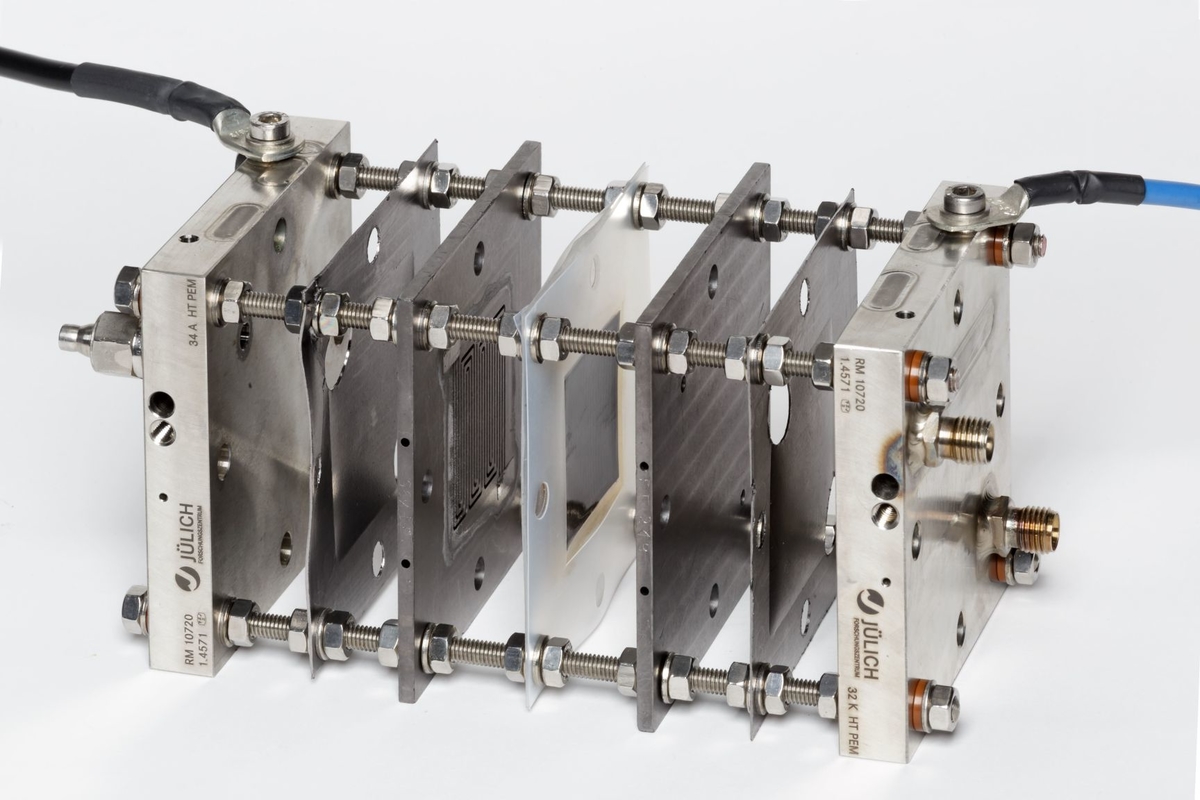
Fuel cells are electrochemical devices which convert the energy of a chemical reaction directly into electricity, with heat as a by-product. They are similar in principle to primary batteries except that the fuel and oxidant are stored externally, enabling them to continue operating as long as fuel and oxidant (oxygen or air) are supplied.

Stationary fuel cell systems have been installed world-wide and have demonstrated excellent fuel efficiency and reliability. Many believe that the fuel cell engine, comprising a fuel processor, fuel cell stack and power conditioner, will ultimately take the place of the internal combustion engine as the dominant technology for vehicle power trains. Fuel cells are also attracting interest for providing portable power for laptop computers, mobile telephones etc.

Further information on fuel cells and their applications is available from our publications or by following the fuel cell links.

Privacy Policy | This website is hosted and maintained by AEA